🇮🇳 India's Trusted Sarkari Yojana Portal | Latest Govt Scheme News 2026 Friday, 17 April 2026
🔔 LATEST
Home » Yojana » PM Surya Ghar Free Electricity Scheme 2024
Advertisement (728×90)
🏛 Yojana • Central Govt

PM Surya Ghar Free Electricity Scheme 2024

📅 17 Apr 2026 Active
💰 ₹60,000 Benefit Amount
📍 Central Govt State / Govt
Active Scheme Status

📝 इस योजना के लिए अभी आवेदन करें / Apply Now

Apply Online →

PM Surya Ghar: Your Path to Free Electricity at Home

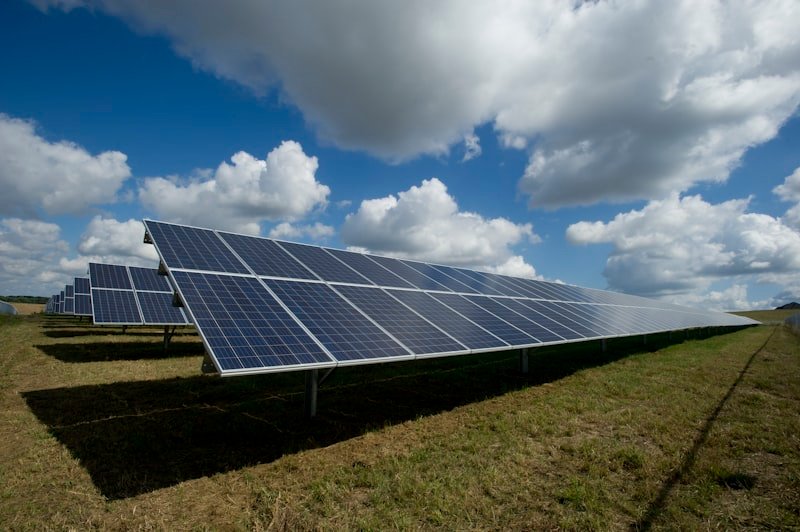
The Indian government just launched one of its most generous solar schemes yet, and honestly, it’s a game-changer for households across the country. The PM Surya Ghar: Muft Bijli Yojana is designed to put solar power directly on your rooftop while putting real money back in your pocket—we’re talking about substantial subsidies that make going solar actually affordable for everyday families.

Let me break down what makes this scheme so exciting.

PM Surya Ghar Free Electricity Scheme 2024

How Much Free Electricity Are We Talking About?

Here’s the thing that caught everyone’s attention: once you install a solar panel system under this scheme, you’ll get 300 units of free electricity every single month. That’s not a small number. For most Indian households, that covers a significant chunk of your monthly power bill. Think about running your fans, lights, and refrigerator without worrying about those costs—it’s a real possibility now.

The best part? This isn’t some theoretical benefit. The government is backing this with actual cash subsidies that directly reduce what you pay for installation.

Breaking Down the Subsidy Structure

Now let’s talk numbers, because the subsidies are structured smartly:

Solar System Size Subsidy Amount Subsidy Rate
Up to 2 kW ₹60,000 ₹30,000 per kW
2-3 kW additional capacity ₹18,000 per kW ₹18,000 per kW
Above 3 kW Maximum ₹78,000 Capped subsidy

What this means in practical terms: if you install a 2-kilowatt solar system—which is pretty standard for an Indian home—you’ll get ₹60,000 directly knocked off the installation cost. That’s substantial. If you want to go bigger and install up to 3 kilowatts, you’re looking at an additional ₹18,000 per kilowatt for that extra capacity.

Think about it this way: a typical 3-kilowatt solar system that might cost around ₹2,50,000 to ₹3,00,000 could be reduced to nearly half that price with these subsidies. For many families, that transforms solar from \”someday\” to \”right now.\”

Who Can Actually Apply?

Here’s where it gets real. This isn’t some scheme buried under layers of red tape. The government opened up applications, and the response has been overwhelming. That tells you something important: people actually want this.

The scheme is open to residential consumers across India—basically, if you own a house with a terrace or rooftop space and you’re currently paying electricity bills, you’re likely eligible. The application process is designed to be straightforward, though like most government schemes, you’ll need to provide basic documentation proving your residency and current electricity connection.

Why This Matters More Than It Seems

Look, on the surface, this is about free electricity. But dig deeper and you’ll see it’s about energy independence. Imagine not being completely dependent on the grid. Imagine protecting yourself from those sudden electricity rate hikes that seem to happen every couple of years. That’s what this scheme enables.

For someone living in a city apartment or a rural home, for a middle-class family trying to manage expenses, or for a pensioner on a fixed income—this scheme offers genuine relief. And that’s before we even talk about the environmental angle. Every kilowatt of solar power generated is one less kilowatt that needs to come from fossil fuels.

The Installation Process

Once you’re approved, the government helps you connect with authorized solar installation providers. You’re not left hanging or confused about who to trust. These are vetted professionals, and the subsidy is credited directly, so you don’t have to pay the full amount upfront and wait for reimbursement.

What’s the Catch?

Honestly? There isn’t a major one. The main limitation is that the subsidy is capped at ₹78,000 for larger systems, so if you want to install massive capacity beyond 3 kilowatts, you’ll cover the excess cost yourself. That’s fair and prevents abuse of the system.

The other practical consideration is that you need roof space that gets adequate sunlight. If your roof is perpetually shaded or you live in an area with very limited sunshine hours, the benefits might be reduced—though even then, you’re still generating some power.

Looking Ahead

What’s really interesting about this scheme is that it’s not temporary. The government has made a clear commitment to renewable energy, and this is a sustained initiative. That means applications should keep being accepted, and the infrastructure to support installation should only improve over time.

For household decision-makers, this is genuinely worth exploring. Head to your state’s government portal (the scheme has state-wise details), check your eligibility, and see what a solar installation could mean for your monthly bills. In a country where electricity costs keep rising, having 300 free units every month isn’t just nice—it’s smart planning.

The bottom line: PM Surya Ghar is making solar power practical and affordable for regular Indians, and that’s not something to overlook.

🔗 Also Read: Bihar New Electricity Connection 2026 Online

🔗 Also Read: Bihar New Electricity Connection 2026: Apply Online

📝 अभी आवेदन करें और योजना का लाभ उठाएं!

📝 Apply Online Now 🌐 Official Website

📤 Share This Yojana — अपने दोस्तों को बताएं

Advertisement (infeed×90)

📝 Apply for PM Surya Ghar Free Electricity…

Apply Now →